A foundation in diversity
Study green, yellow, white, oolong, black, and dark teas. Comparing these categories helps you understand how processing changes what you see, smell, and taste.
Explore the six tea categories, traditions across dynasties, and the relationship between tea, craft, and everyday life.
Explore the relationship between the leaf, its processing, its place of origin, and the way it is served.
Study green, yellow, white, oolong, black, and dark teas. Comparing these categories helps you understand how processing changes what you see, smell, and taste.
Work with water temperature, infusion time, and different vessels. Learn to make deliberate brewing choices and explain the sensory differences in the cup.
Go beyond a product name. Explore tea regions, the people who make tea, and the cultural practices that give Chinese tea its context.
Tea opens a window onto Chinese history. Its preparation, vessels, and social meaning have changed across generations. Explore three moments in that story.
Tang tea culture included preparing ground tea by boiling it. Its utensils and preparation practices offer a starting point for exploring how tea developed as a cultural practice.
These are selected historical themes; preparation methods overlapped across periods. Explore the National Palace Museum’s tea-culture exhibition ↗.
The history of tea culture stretches across centuries. A dynasty tells us about a period of practice, not the age of the leaves in a cup.
A tea tree’s age and growing environment tell a different story from the age of the tea harvested from it.
Some finished teas are stored to develop over time. Learning about processing and storage helps you ask better questions about aged tea.
Chinese traditional tea processing and associated social practices were inscribed on UNESCO’s living heritage list in 2022. Explore the heritage ↗
Start with the categories, then learn how origin, craft, and brewing shape each cup.
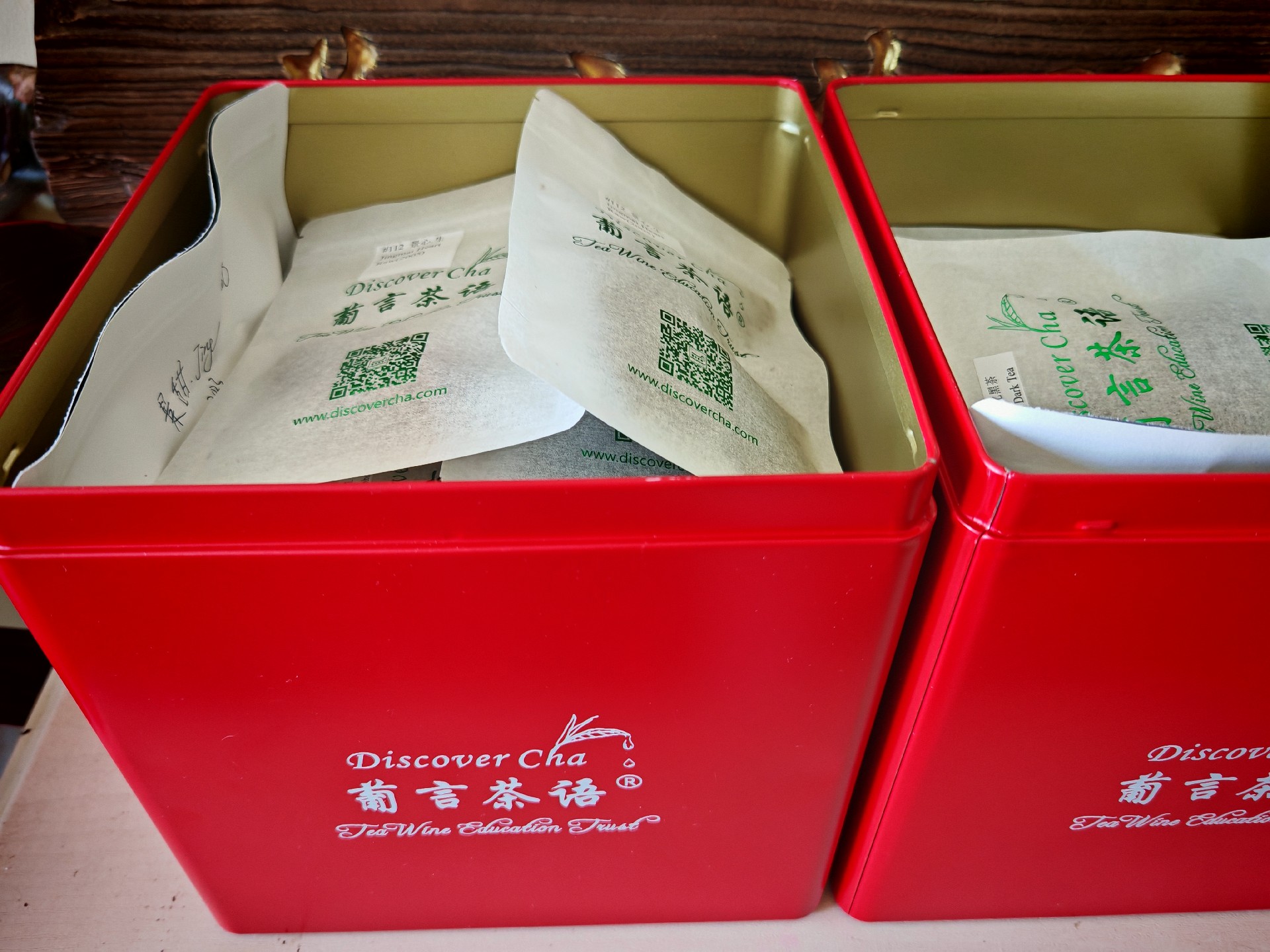
A closer look at the academy’s study materials.
Explore how heat treatment limits oxidation, then compare aroma, texture, and brewing choices. A useful starting point for observing how processing shapes tea.
Select a category to explore a learning theme. Tea appearance and infusion colour vary within every category.
Find a learning path that brings the story into practice.
Explore learning paths ↗